The Cutiest Time of Childhood : Vienna!
A little while ago, I wrote to someone I really care about: “I’m going to Vienna, I’ve missed it so much.” He answered with something our architectural history professor, Bülent Özer, used to say about Vienna:
“It’s like a child frozen with a needle at their cutest age.”
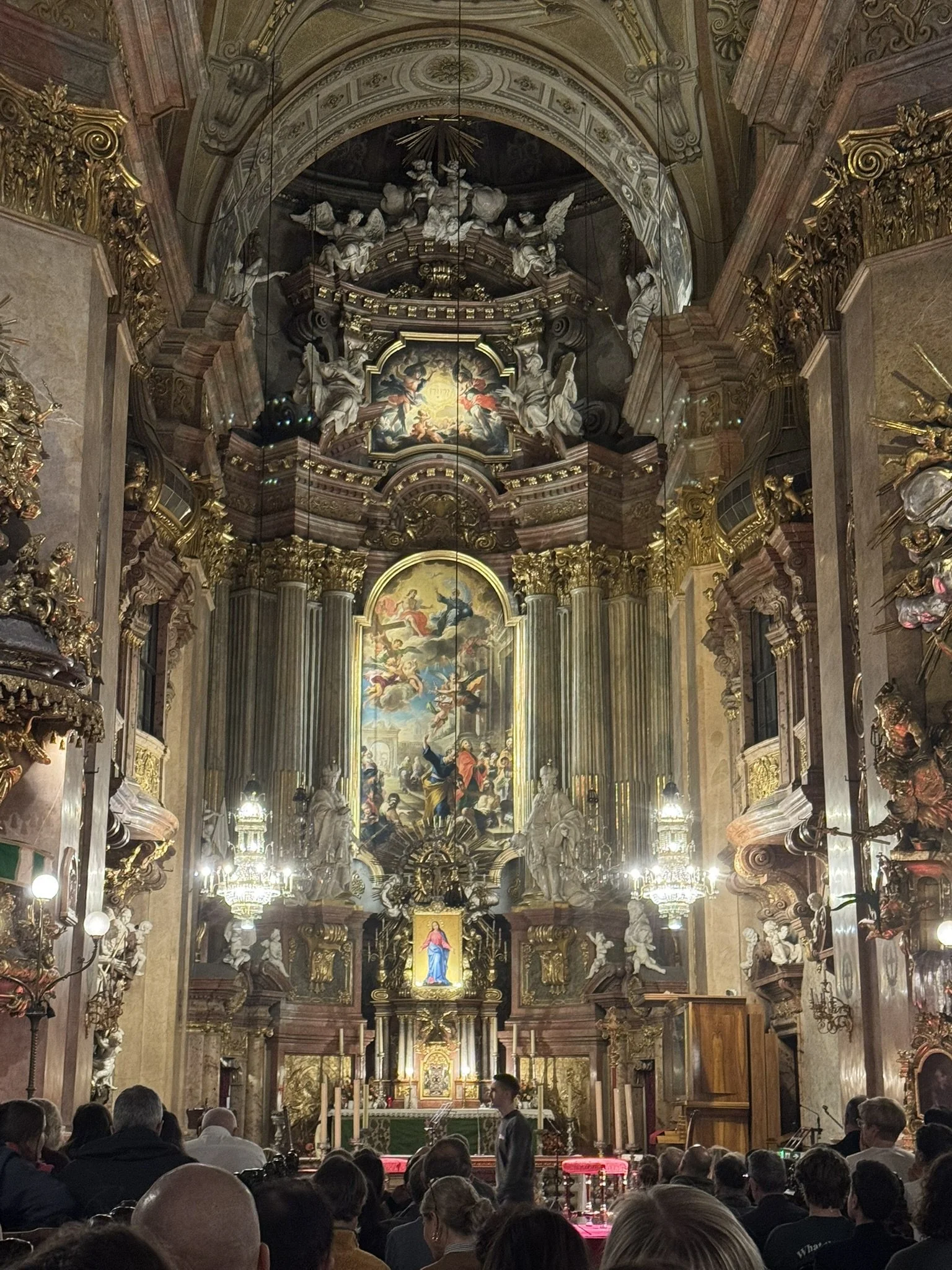
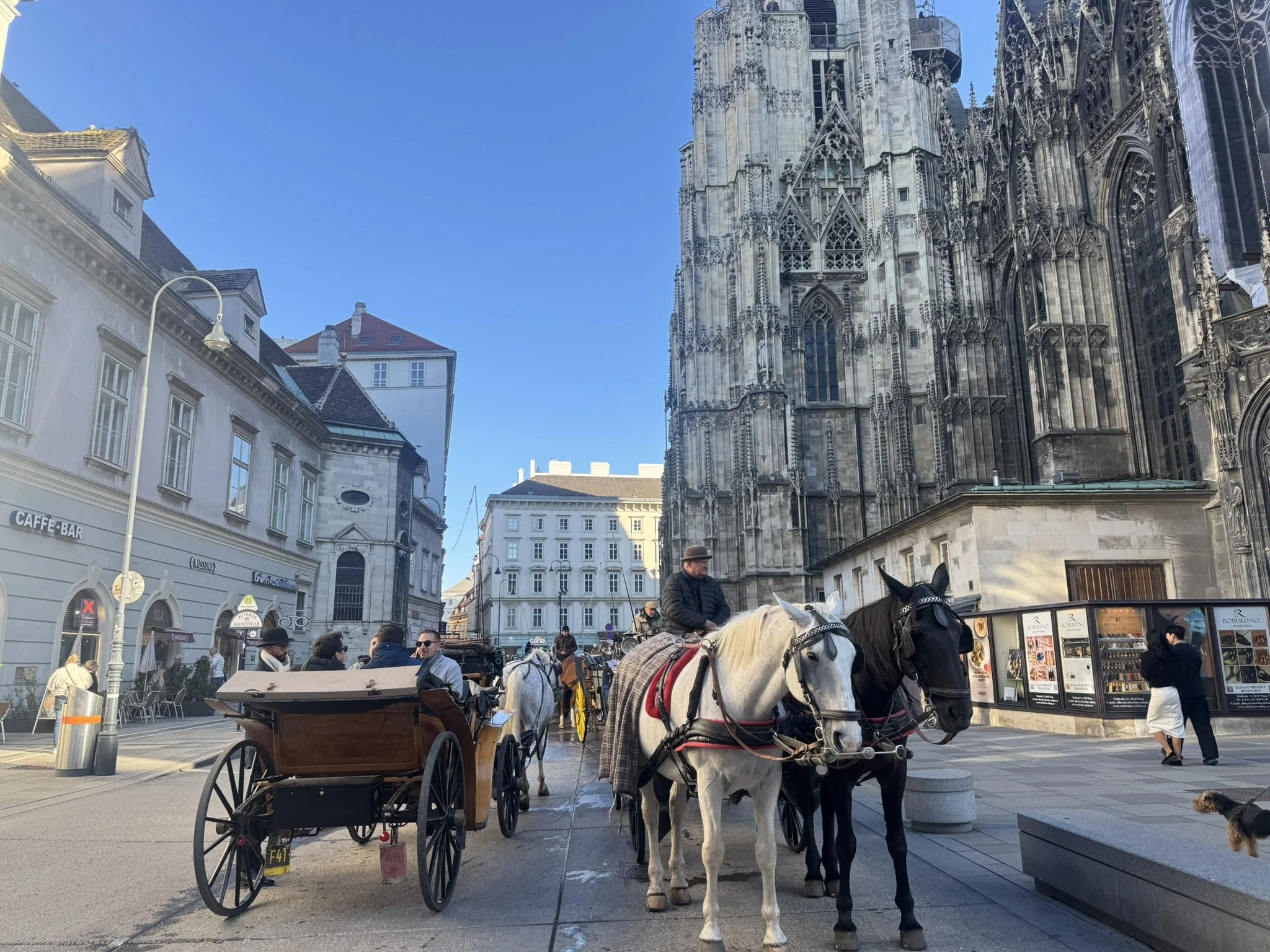
Isn’t that such a lovely way to put it? Vienna truly feels like a small time-travel experience. Most of the buildings are so well restored and protected, and this beautiful tradition continues in this city of art. I honestly can’t think of a better description than “a child at its sweetest age.”
In life, we sometimes wish we could freeze certain moments of the people we love — a look, a phase, a gesture. But life keeps moving, and maybe that’s the magic of it.
So, in short: keep moving, my friends. Movement brings joy. :)
During my trip to Vienna, I happened to be reading a book that felt like fate rather than coincidence: A Life Well Lived, written by a 102-year-old doctor. He explains the connection between life and movement so beautifully that, if you don’t mind, I’d love to share a part I really like:
“Life itself is always in motion, and that means we need to stay in tune with our life force and keep looking for the flow inside us. Even though our bodies take care of many automatic processes, it’s still important that we choose to move consciously. Every doctor will tell you that exercise is essential for overcoming stress and depression, because it signals the brain to release feel-good hormones and offers deep benefits for physical health, both in the short and long term. Studies from all around the world support this, showing that communities where people walk every day as a natural part of life tend to have the longest life expectancy.
Exercise nourishes both the body and the mind. It has extraordinary positive effects not only on our mood but also on our awareness…
But stillness increases tension. And when tension builds up in the body, it restricts our circulation, digestion, and nervous system, making it harder for the body to nourish itself. While blood moves through the body thanks to the heart, our lymphatic system has no such pump; it moves when we move, and it stays still when we don’t. For example, when the adrenal glands get blocked, we become stuck in fear, anger, criticism, and frustration. We struggle to reach the smiles, laughter, and love that could release that blockage.”
Understanding the power of movement helps us overcome almost anything — physically, emotionally, and even spiritually.
And I have to admit… I’m a bit of a movement addict :)
Just like children, when I’m happy, I love to wiggle, walk around, and keep my body moving.
Or maybe it’s the other way around: maybe I’m happier because I move, walk, and stay active all the time. I’m not sure:)
And now, let me tell you about Vienna — the city I used to visit so many times during my university years. Honestly, I wouldn’t be exaggerating if I said almost nothing has changed since the last time I was there. We explored every corner of this beloved city back then, and being back felt like opening an old photo album.
Of course, you can find over two million sources on Google about delicious food, famous restaurants, things to see, and things to do. But in this post, I want to talk about the ‘Lange Nacht der Museen’ festival. I’ve joined this event in other cities before, and it’s definitely worth highlighting.
Every year, for example in Vienna, it takes place on a set date in October. With just one ticket, you can visit all the museums you want between 6 PM and 1 AM. The same event exists in cities like Stuttgart, Frankfurt, and many others across Europe.
Hundreds of museums stay open during the festival, and moving between them is super easy thanks to shuttle buses or free public transportation. And honestly, transportation in Vienna is one of the easiest things anyway.
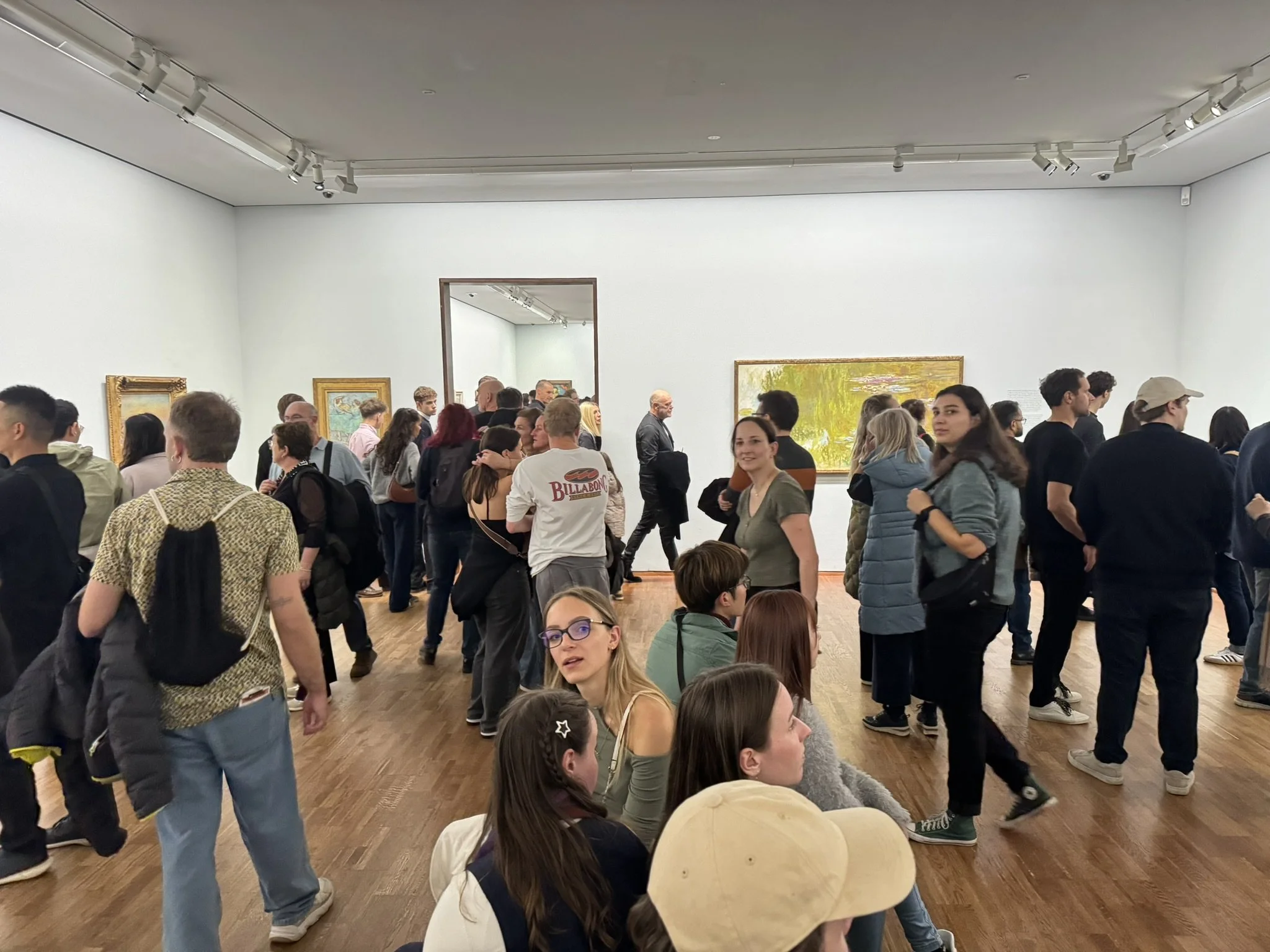
Lange Nacht der Museen — the Long Night of Museums — is a cultural festival
Some museums do get a bit crowded, but if it’s for the love of art, I don’t mind at all :)
During this long night, I picked a little bouquet of the museums we managed to visit — and I’m sure you’ll love them too if you ever get the chance to go. And here we go:
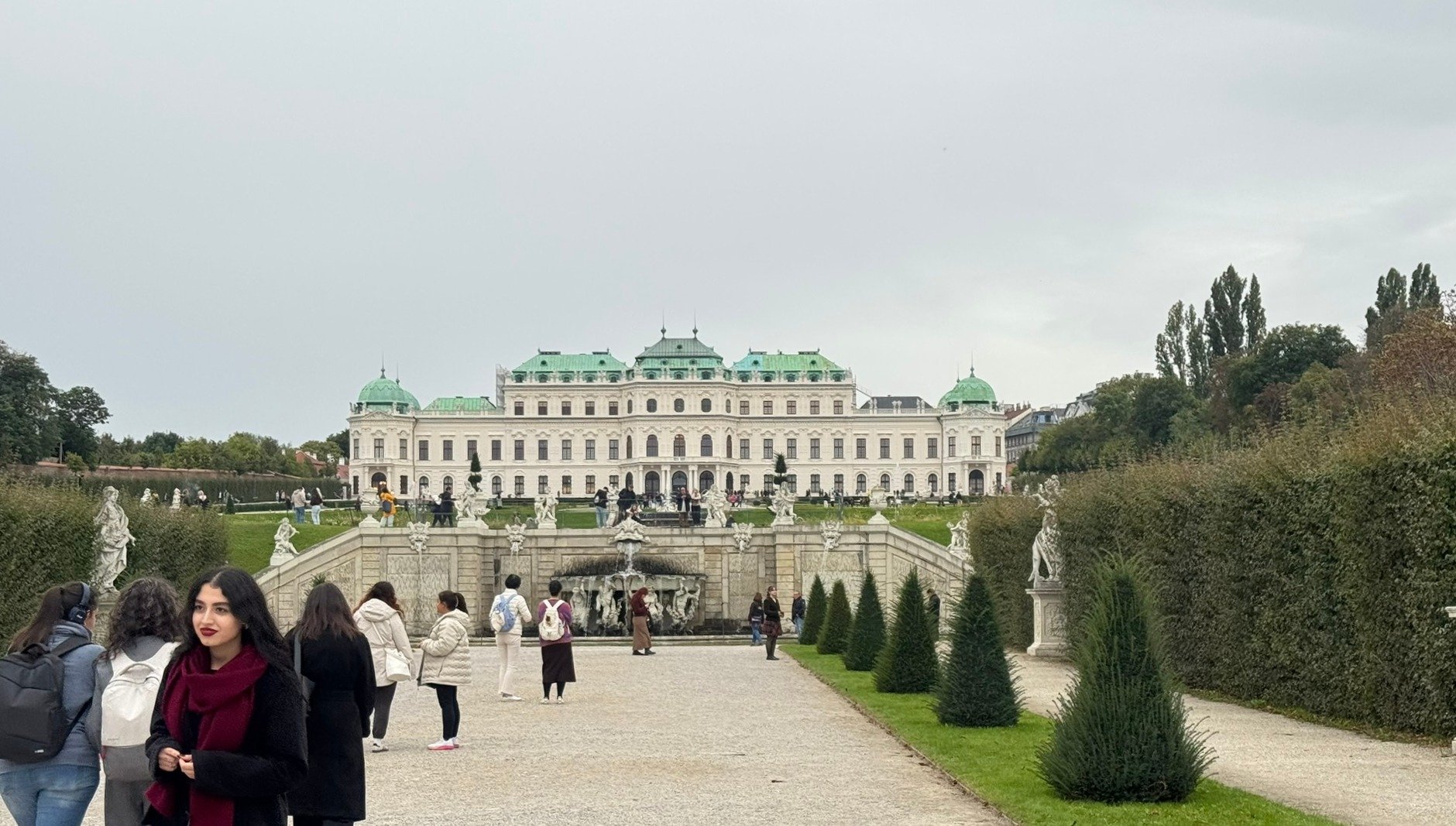
Belvedere Palace
Belvedere Palace is a masterpiece on its own with its magnificent Baroque architecture. But once you step inside, you enter a whole different world. One of the highlights is, of course, the original painting of Gustav Klimt’s The Kiss, which around 10% of the world’s population has seen in reproductions — but the real one is right here :)
Standing in front of it almost feels like it’s alive. The era when Klimt created this painting was a time when gold leaf was widely used in art. Although the painting was made in the early 1900s, the gold tones, patterns, and style are still used today in fashion, design, and decoration.
Its surface, which looks like a mosaic, the golden Byzantine-inspired icons, the shine, and the geometric patterns make the painting truly unique — and unforgettable.
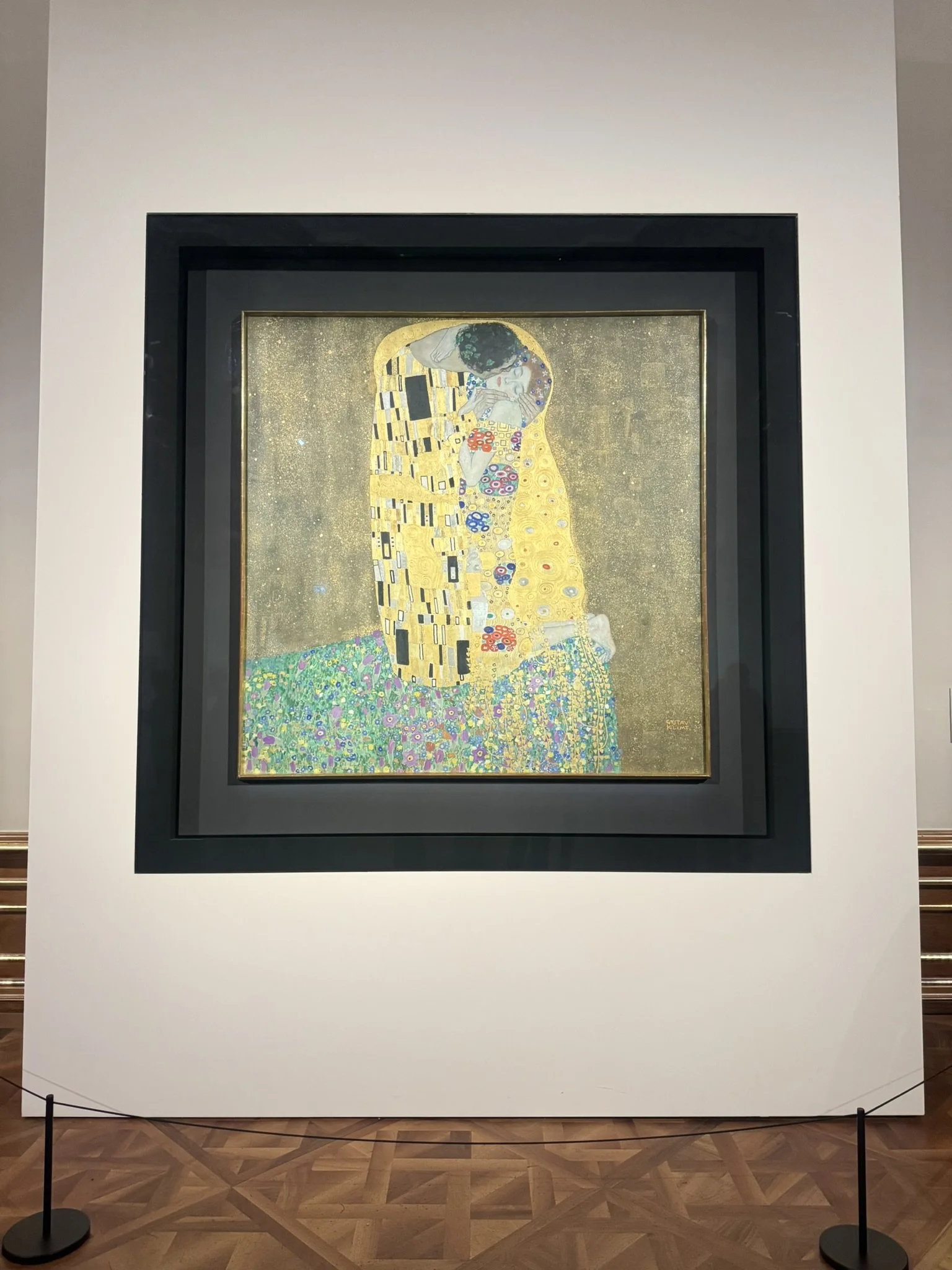
Gustav Klimt (The Kiss)
The real identity of the couple in the painting is unknown, but the common belief is that the male figure is Klimt himself, and the woman is his muse and great love, the fashion designer Emilie. The way the man leans toward the woman’s cheek, the way she closes her eyes as if fully surrendering, and the golden halo that surrounds both figures… it all describes that magical moment when two souls blend into one — a feeling anyone who has ever been in love will recognize.
Albertina Museum
Think of this museum as Vienna’s ultimate art lovers’ club — from Dürer to Picasso, Monet to Klimt, Dalí to Edvard Munch, it feels like everyone is here :)
But maybe the most famous work in art history on display here is Albrecht Dürer’s Hare, painted 500 years ago.
In a time when natural sciences were nowhere near today’s level, Dürer painted a rabbit with the realism of a high-resolution photograph. Unfortunately, even if you visit, you can’t see the original. Because of its very delicate condition, it has only been exhibited nine times in the last 150 years.
Dürer’s sensitivity in his hand and eye is truly astonishing. The way he captures the details of the rabbit’s fur, and the tiny reflection of a window in its eyes when you look closely, is extraordinary.
While I was writing this, we were talking about Michelangelo’s David in Florence — how even the small bone that appears when you bend your elbow is carved there. Artists of those times were not “just” artists; they were also scientists, writers, painters, doctors… and each of them was almost like a brand on their own, fully devoted to their craft.
Coming back to the famous hare: in 2028, the original will be exhibited again to celebrate its 500th birthday. I’d say: let’s mark our calendars. :)
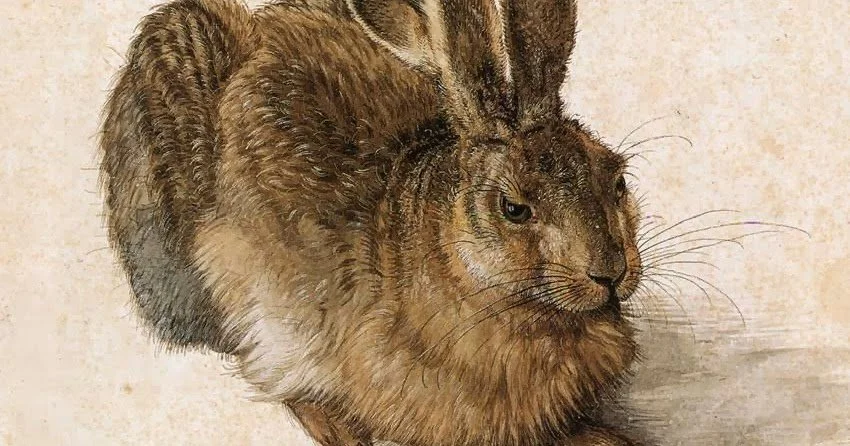
Hase- Albrecht Dürer
Haus der Musik
If you want to see a museum in Vienna that brings history and science together in an interactive and truly fun way, then here it is: the House of Music :)
This place takes music beyond something you simply listen to and turns it into something you experience, feel, and discover scientifically. I honestly didn’t have high expectations before going I even thought it wouldn’t be crowded — so you can imagine my surprise when we walked in and saw how busy it was. But it’s absolutely worth it. I’m sure you’ll love it when you visit.
Signed and stamped, Betty :)
The museum feels like a sound laboratory. There are stairs that play notes as you walk on them, balls bouncing with sound waves, digital panels where you can create your own melody, rooms dedicated to composers like Mozart, Beethoven, and Schubert, handwritten manuscripts, replicas of their homes, and interactive sections showing how they created their music… basically, everything you can imagine.
But the most interesting part — and clearly everyone’s favorite (the longest line was here!) — is the orchestra conductor simulation. You step onto a stage as a conductor, and in front of you appears the real Vienna Philharmonic. With a baton in your hand, you conduct them, and the orchestra plays according to your tempo. If you go too fast or too slow, the orchestra even jokes with you :)
It’s interactive and so much fun.
But for me, the most fascinating part was the Cosmic Symphony — the Melody of the Universe. Let me briefly explain it. As you know, space is a complete vacuum, so sound waves can’t travel there. This means stars cannot make “sound” in the way we hear it.
But they do vibrate they expand and contract, and their surfaces make rhythmic movements. These movements create frequencies. And Haus der Musik transforms these frequencies into sound and presents them as the voices of the stars.
It was amazing.
The first box I pulled to listen to a star’s sound was number 421. The star I heard was called Pulsar B1 409–62. Pulsars are neutron stars that remain after a supernova explosion, and they rotate incredibly fast.
The sound I heard felt like listening to the heartbeat of space rhythmic and mechanical. I could feel how alive and dynamic the universe is, its energy moving through everything.
Hearing the vibrations sent from a star millions of kilometers away reminded me, once again, of how small we are and how vast the universe is — that we are a tiny presence in a massive system…
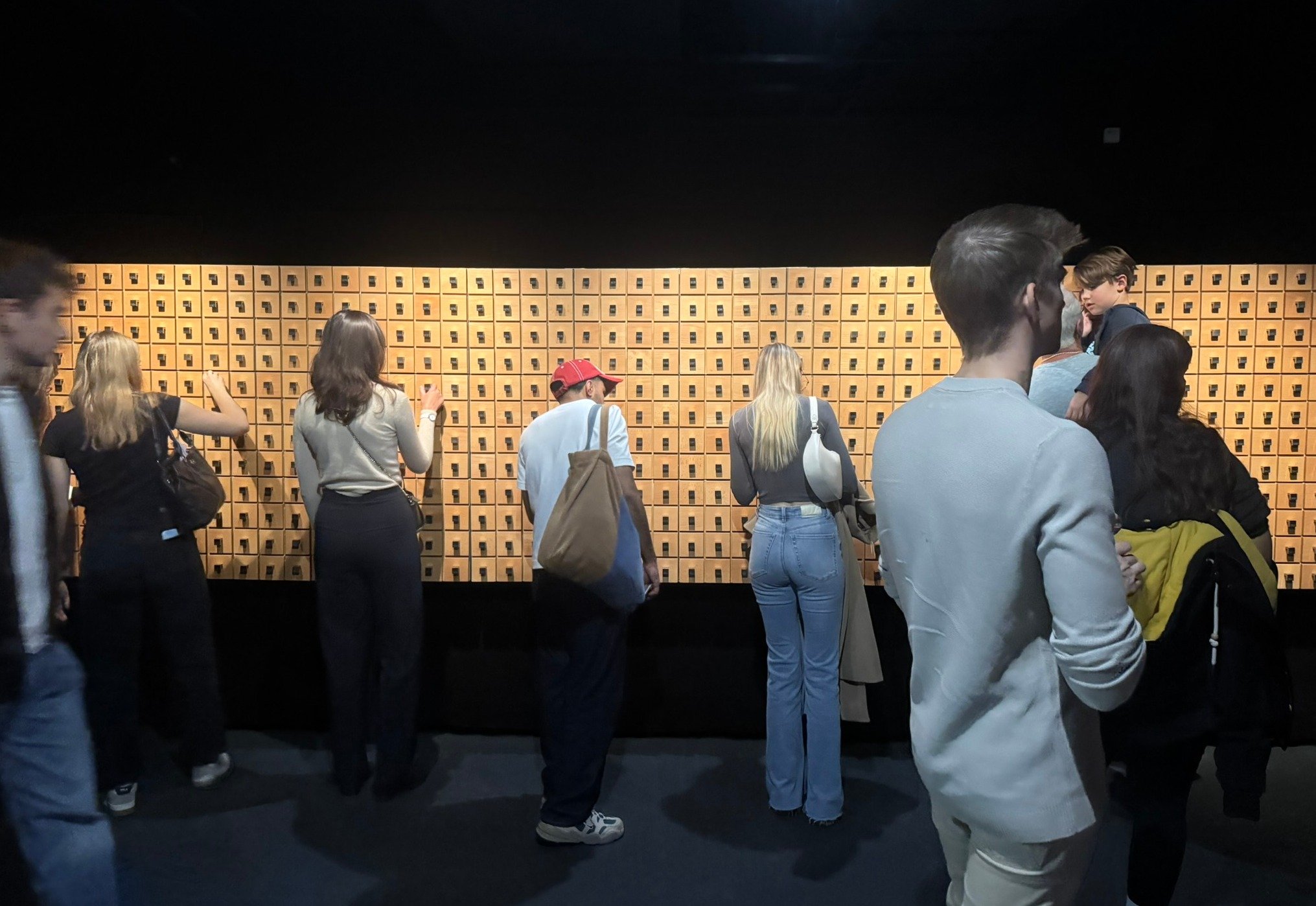
Haus der Musik
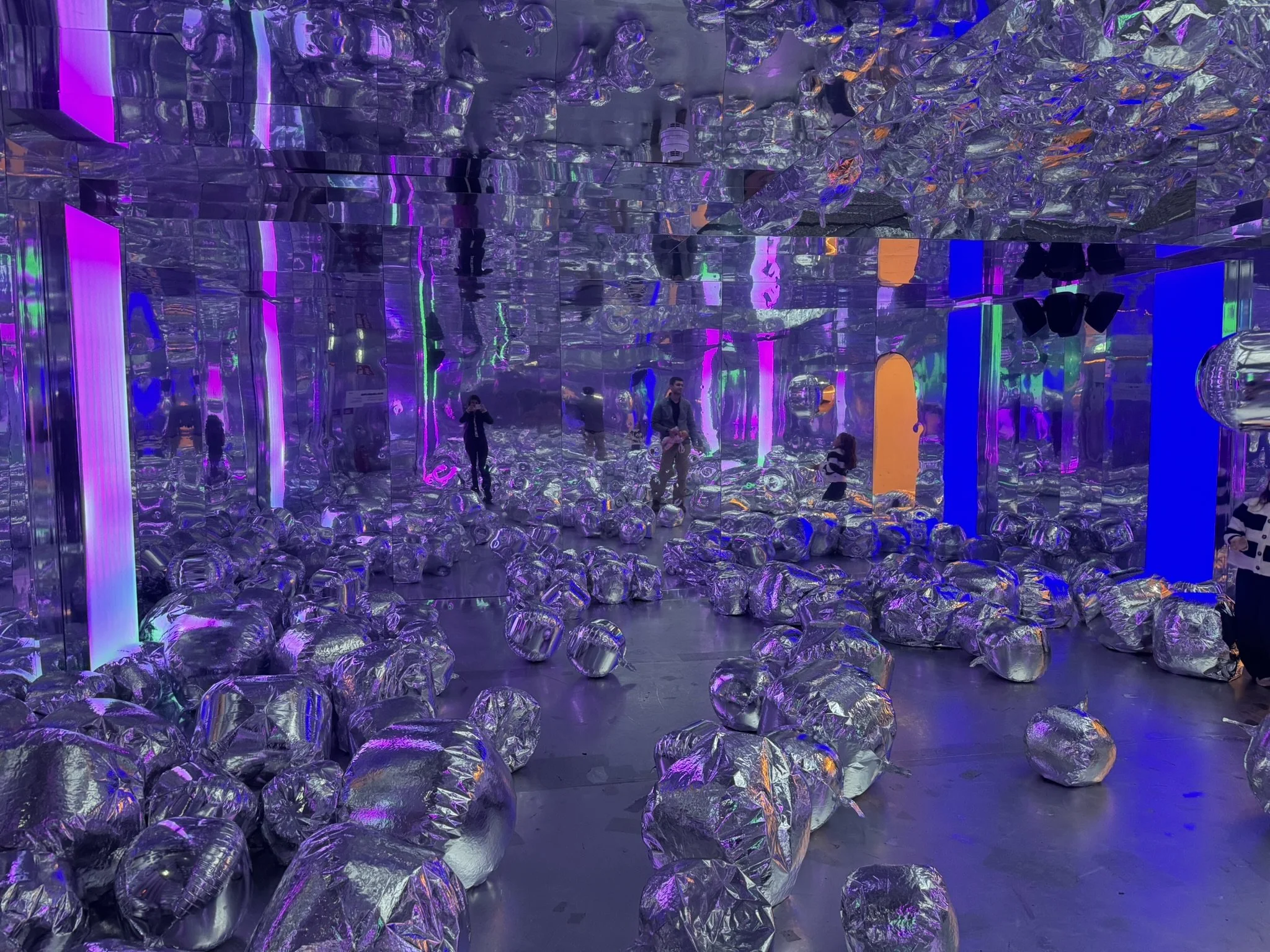
IKONO Museum
And finally, let’s talk about the Instagram queen of Vienna: the IKONO Museum. This is probably the most photographed museum in the whole city :)
Instead of looking at the art, you step inside it. It’s truly a visual playground where light, color, movement, and digital technology meet. I read that its purpose is to remove the distance between art and the viewer — and they’re not wrong. But I also feel there’s a little effort to keep social media happy too :)
Immersive art experiences are the new trend everywhere. In my own city and in the cities I visit, so many events now come as interactive, visual shows that make everything more appealing. And IKONO Museum is definitely one of the best.
Each room has something that pulls you in:
walking through constantly shifting light tunnels in different colors,
rooms where the walls and ceilings are covered with mirrors,
or playful rooms filled with colorful balls that bring back your childhood joy…
Everything feels exactly the way it should.
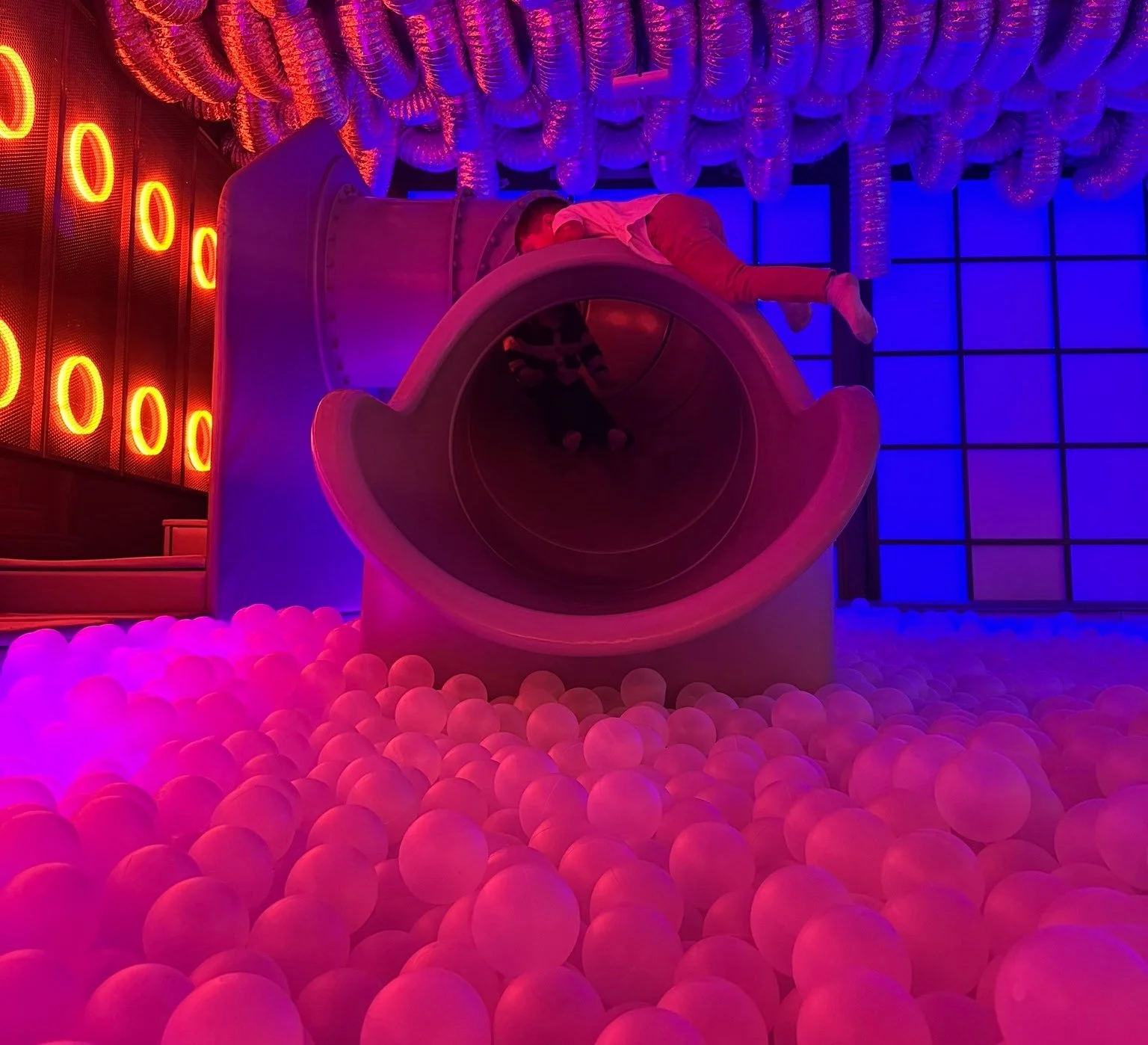
Ikono Museum
Besides everything I’ve mentioned above, I truly recommend visiting MuMok and the Leopold Museum in Vienna. At the Leopold, you can dive deep into the world of Egon Schiele and Gustav Klimt, and at MuMok, I’m sure Warhol, Picasso, and Kandinsky will sweep you off your feet.
Vienna is one of those rare cities where you can enjoy both classical and modern art side by side — a city worth visiting again and again.
And lastly… We can’t really add more days to our already complicated lives, but we canadd more life to our days. With that, I’ll sign off :)
Here’s to many more journeys together.
Cheers,Betty